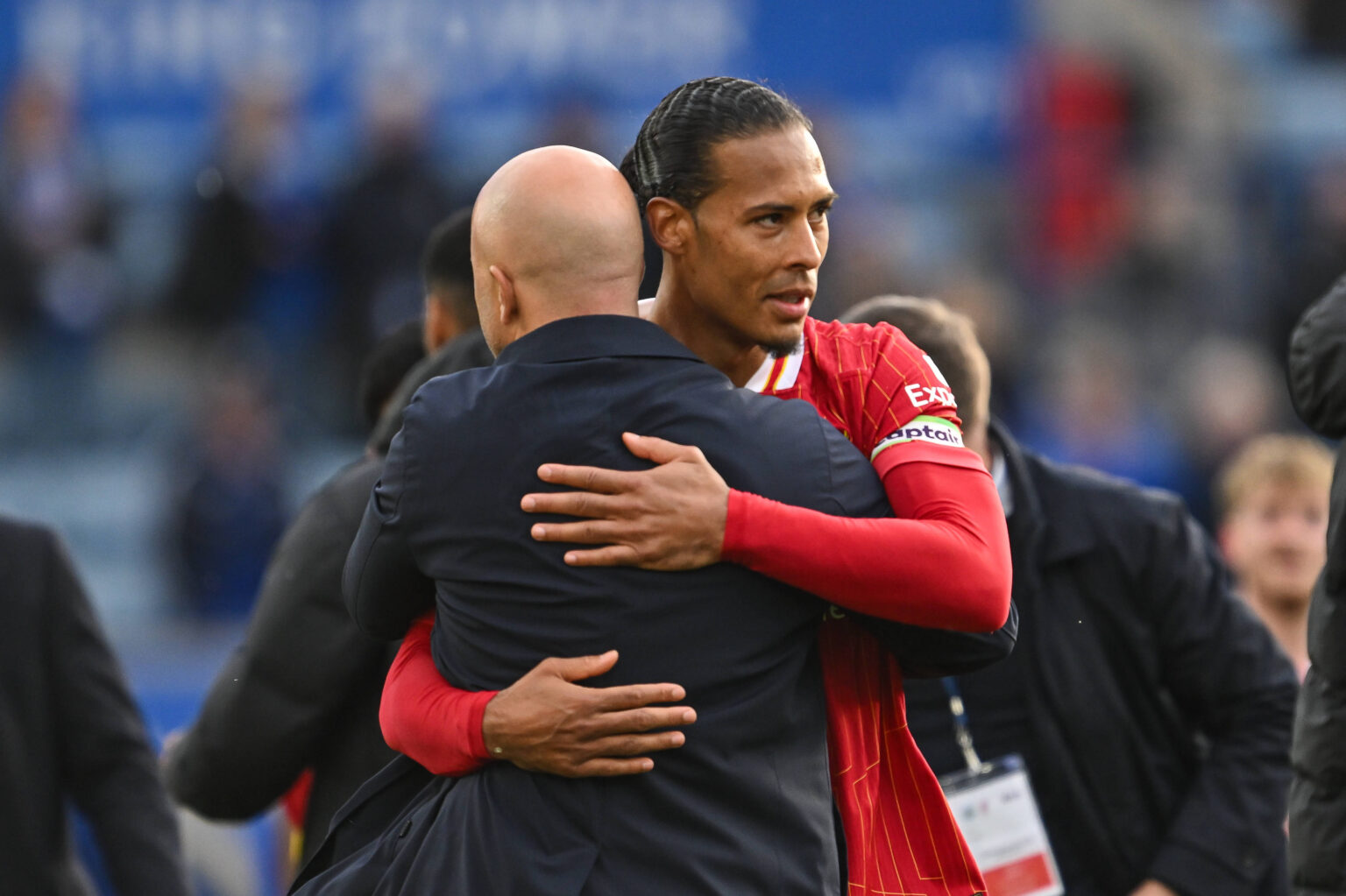

Liverpool captain Virgil van Dijk opens up on the most mentally exhausting season of his career, from the tragic loss of Diogo Jota to Arne Slot’s sacking and the emotional departures of Mohamed Salah and Andy Robertson.
They will tell you that football is a game of fine margins, tactical structures, and cold data. But sometimes, a football season becomes something entirely different. Sometimes, it transcends the pitch and becomes an endurance test of the human spirit.
For Liverpool Football Club, the campaign the 2025/26 campaign that just drew to a close was not merely a disappointing title defence or a series of tactical missteps. It was a harrowing, emotionally exhausting gauntlet that began in unimaginable tragedy of Diogo Jota passing away before the start of the season and ended in the fragmenting of an era.
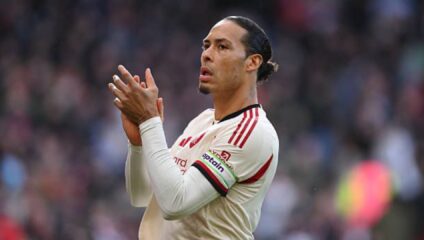
Now, away from the intense pressure-cooker of Anfield and preparing for a World Cup with the Netherlands, club captain Virgil van Dijk has lifted the lid on the immense mental burden he and his teammates carried through the most turbulent year of his professional life.
“This was the toughest season of my career,” Van Dijk admitted in a remarkably candid interview with Voetbal International.
“That is clear, especially on the mental level. It just kept going up and down. We almost never had the consistent feeling and level you strive for. As a group, as a club, as a player, as a person. As a team, we had very good matches, and then suddenly things went downhill again. Then you basically can’t go on.”
A summer tragedy that cast a shadow
To understand why Liverpool’s season never truly found its rhythm, you have to look back to July. Before a single ball had been kicked, the club was rocked to its absolute core.
Diogo Jota and his brother, Andre Silva, were tragically killed in a car crash in Spain as the Portuguese forward was making his way back to Merseyside for pre-season training.
The news sent shockwaves through the football world, but inside the AXA Training Centre, it tore a hole in the fabric of the squad. Jota wasn’t just a brilliant attacker; he was a deeply loved teammate, a vibrant presence whose absence left an echoing silence.
For Van Dijk, wearing the armband meant navigating his own grief while trying to steady a dressing room that was completely unmoored.
“This year, a lot has come our way at Liverpool,” the skipper reflected, his voice carrying the weight of the last ten months. “From the moment I received the call with the terrible news about Diogo until the final match, in which we said goodbye to Mo Salah and Andy Robertson.”
The trauma of the summer set a tone that Liverpool could never quite shake. On the pitch, the performance levels fluctuated wildly. The relentless, suffocating consistency that had defined the club’s modern successes was replaced by an agonizing unpredictability. 19 defeats in all competitions told the story of a team playing through a fog, unable to find the emotional equilibrium required to defend their Premier League crown.
The axe falls on Slot
Ultimately, elite football is an unyielding business, and the weight of those 19 losses eventually forced the hierarchy’s hand. Last weekend, the club made the decision to sack manager Arne Slot.
It is understood that the decision to part ways with the Dutchman was made with “enormous reluctance” by the FSG leadership, who still held immense personal respect for Slot.
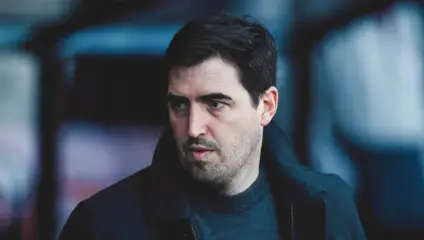
However, the drop-off in form was deemed too severe to ignore. By Thursday, the club had moved swiftly to appoint Andoni Iraola as his successor, turning the page to a new chapter before the dust of the old one had even settled.
Van Dijk, who shared a strong bond with his compatriot, confirmed that he reached out to Slot following the dismissal, though he chose to keep the specifics of their conversation private.
“I spoke to Arne personally, that is the most important thing,” Van Dijk said. “Exactly what we discussed remains between us. For now, my focus is entirely on the World Cup.
When pressed further on what was said during that emotional call, the captain remained guarded: “I’m not going to say anything about that, at this moment.
The end of an era on the Anfield turf
If the season began with a sudden, tragic loss, it ended with the slow, heavy realization that a legendary cycle had reached its natural conclusion.
On the final day of the season, Anfield didn’t just blow the final whistle on a campaign; it said a poignant goodbye to Mohamed Salah and Andy Robertson two titans who, alongside Van Dijk, had won everything there was to win in a red shirt.
The image of Liverpool’s number four sitting alone on the turf, watching his longtime brothers-in-arms wave goodbye, will linger long in the memories of those who saw it. It felt less like the end of a football match and more like the closing of a book.
“I sat on the grass watching those two guys, with whom I had played for eight years,” Van Dijk recalled. “I have never experienced anything like it in all those years at Liverpool. It happened the way it happened.”
Since arriving from Southampton in January 2018, Van Dijk has known mostly dizzying highs on Merseyside. This was different. This was the stark reality of football’s relentless passage of time, compounded by a year of emotional devastation.
With the domestic season finally over, the international calendar offers no respite. The World Cup looms immediately for Van Dijk and the Oranje. Yet, the centre-back acknowledges that a true reckoning with the events of the past year is still to come.
“There will be moments when I will have to put everything into perspective,” he admitted. “That will be very tough. I know that already. I haven’t really been able to think about everything that happened last season yet.”
For now, a fleeting window of peace has allowed the 34-year-old to find the mental reset necessary to lead his country on the world stage. A few days of pure simplicity, far away from the glare of the media and the tactical demands of the pitch, have provided a temporary sanctuary.
“But right now, a short break was enough to switch to a positive mindset for this World Cup,” Van Dijk said. “I spent six wonderful days with my family, my mother, and my parents-in-law. We talked a lot about everything and just did absolutely nothing else for a while. That was very nice and very peaceful.”
When the World Cup concludes, Van Dijk will return to a very different Liverpool. There will be a new manager in Iraola, a new tactical blueprint, and a dressing room missing some of its most familiar faces. But before he can build the future, the captain knows he must first finish processing a past that broke the hearts of everyone at Anfield.

Comments.
Loading comments…